
Let’s build a Lakeview for all
The Alder decides what gets built and spends $1.5 million a year on ward infrastructure. In my first year in office, I commit to:
Fight for stable rent and home prices through proactive upzoning. I’ll update the zoning code in Lakeview to allow residential buildings of about 5 stories to be built “by right,” without a rezoning fight for every lot.

Make streets more walkable and transit-friendly. I’ll install traffic-calming infrastructure to prevent speeding, add visibility for pedestrians, and shorten pedestrian crossing distances. I’ll also bring benches and lighting to unsheltered bus stops.
Open up the alder’s office. I’ll host ward nights across the neighborhood and let residents vote on how to spend $1 million of ward funds every year.

Housing Affordability
One-bedroom rents in Lakeview jumped 28% in a year, to $2,385 a month. We need to build more homes to lower rents, help first-time homebuyers build wealth, and bring in more neighbors to contribute to our tax base and shop locally.
What I’ll do as your alder:
Proactively upzone. In 2025, the city upzoned Broadway from Montrose to Devon to allow buildings of about 5-7 stories near the Red Line. I’ll extend that south through Lakeview and to every commercial corridor in the ward, bringing dense homes to transit hubs. I’ll also legalize the construction of three-flats and small apartment buildings — dwelling styles currently banned in much of west Lakeview — on every residential block.
Speed up approvals using published, transparent standards, not backroom favors with developers.
Help tenants stay in their homes. More than 90% of tenants in Cook County eviction court don’t have a lawyer. I’ll run free tenant-rights clinics out of the ward office and connect renters facing eviction with the city’s free legal help, run by the Law Center for Better Housing.
Infrastructure for Safe Streets
In the 44th Ward, cars are a bigger danger than guns. In 2025, crashes in the ward injured 273 people, while police recorded no murders from gun violence.
We know how to fix this crisis. In New York City, simple interventions such as curb bump-outs resulted in half as many pedestrians killed or seriously injured.
What I’ll do as your alder
Fix dangerous intersections affordably and quickly. Install paint-and-post bump-outs, daylighting so drivers can see people crossing, and other traffic calming measures, starting with the intersections where the most people get hurt: Clark and Addison, Belmont at Lake Shore Drive, and Diversey at Broadway and Clark.
Make waiting for the bus comfortable. Install shelters, benches, and lighting at every major bus stop in the ward.
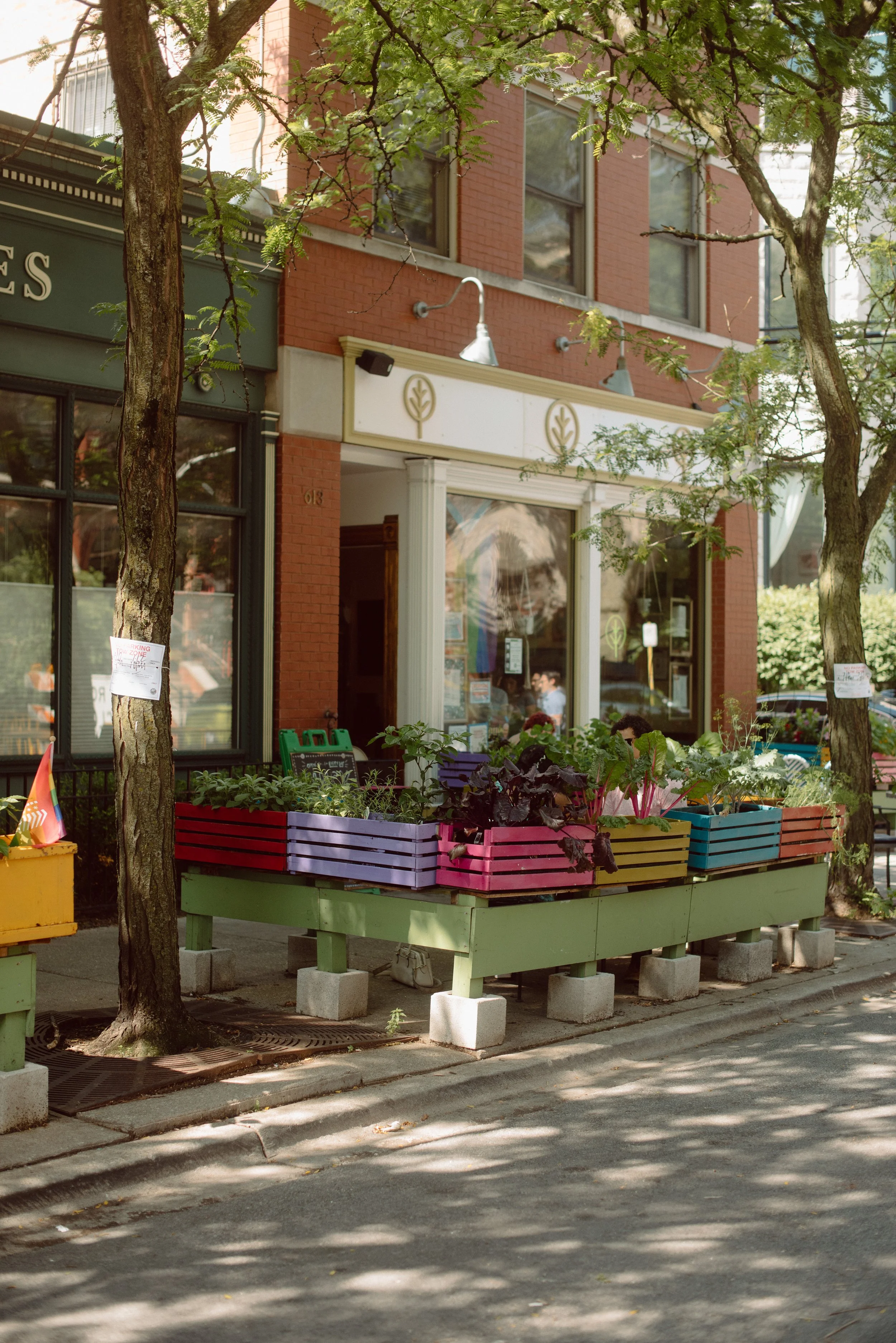
Bring Dine Out on Broadway to more streets, more often. More than 25 restaurants took part in this program on Broadway. Southport and Sheffield used to host events like this, and we’ll bring them back there first. In New York, pedestrian improvements on St. Nicholas and Amsterdam Avenues raised local retail sales 48%.
Open Government
The same political operation has run the 44th Ward for 24 years. In 2002, the retiring Ald. Bernie Hansen hand-picked his successor, Tom Tunney. In 2023, Ald. Tunney handed the seat to his own chief of staff, who ran unopposed. Decisions are getting made behind closed doors, hurting voters in the ward.
What I’ll do as your alder
You decide how ward money is spent. Fifteen Chicago wards let residents vote on how to spend ward infrastructure money, including our neighbors in the 46th and 47th wards. The public will decide how to spend $1 million a year on ward infrastructure.
Ward nights near you. You shouldn’t have to go downtown to be heard. I’ll host ward nights in libraries, coffee shops, bars, and parks, so you can bring your concerns and questions.
Show my work. I’ll publish every zoning decision and the reason behind it.
No corporate money. I do not and will never take corporate donations, including from the landlord lobby.
Action in City Council
As your Alder, I’ll be one of 50 votes on the laws that shape every Chicago neighborhood.
Here’s what I’ll vote for and introduce.
Respond to problems in the right way
Mental health crises need mental health workers. Chicago’s CARE teams now cover the whole city, but only from 8am to 10pm on weekdays, and they run on one-time federal money. I’ll fight to fund them 24/7, permanently.
Reopen our mental health clinics. Chicago closed 6 of its 12 public mental health clinics in 2012, and only Roseland has reopened. I’ll push to reopen the rest, with the long-term goal of a clinic in every ward.
Parking aides for parking problems. In our police district, 1 in 10 calls to 911 is a parking complaint. Those calls should go to unarmed city parking aides, not armed officers. I support the proposed pilot program in the 8th and 19th Police Districts that would do exactly that. The pilot program is projected to raise $4.4 million more than it costs.
Hold police to the rules we’ve already passed. I’ll push to enforce the new ban on officers belonging to hate and extremist groups. I’ll also call for public hearings with the Police Superintendent and the Community Commission for Public Safety and Accountability on whether CPD is following the Welcoming City Ordinance.
Summer jobs for every teen who wants one. When Chicago gave teens summer jobs, violent-crime arrests among them fell by more than half the next year. I’ll push to expand job programming to help young careers start here in Chicago.
Make big corporations pay their share
Bring back the corporate head tax. For 41 years, until 2014, Chicago’s largest employers paid a small tax for each worker. I’ll vote to bring it back for the biggest corporations, so they help pay for the city services their business depends on.
Close the tax loopholes for tech and betting companies. Chicago now taxes social media giants and sportsbooks, but prediction markets take sports bets here and pay nothing. I’ll push to close that gap and put the money toward CARE.
Tax mansions and big landlords, not working families. In 2023, the incumbent Alder of the 44th Ward voted against letting voters decide on Bring Chicago Home, a tax on property sales over $1 million to fund homelessness services. Revenue should come from the wealthiest in the city, not those trying to get by and build their lives.
Make delivery giants pay for the roads their trucks wear out. Trucks drive 11% of miles and cause at least 91% of road damage. I’ll introduce an ordinance to raise city fees on the heaviest commercial vehicles and put that money into public transit and safe streets infrastructure.
Grow housing across the city, not just the 44th Ward
Protect renters’ rights. I’ll vote for the Protecting Renters Ordinance. It bans junk move-in fees, requires landlords to spell out every fee, and creates a public registry of who owns every rental building and its code violations.
Relegalize two-, three- and four-flats and courtyard buildings citywide. Two- to four-flats make up about a quarter of Chicago’s homes, but they’re illegal to build on about 80% of the city. Neighborhoods Chicago downzoned after 1970 added far fewer homes than the rest of the city. I’ll introduce an ordinance to allow them by right on every residential lot, building on the city’s 2025 move to relegalize coach houses and granny flats.
Build more homes near transit. Every CTA station should be surrounded by homes, not parking lots. I’ll vote to upzone the blocks around train stations and busy bus corridors citywide, so more people can live near the transit they use.
End aldermanic prerogative. Right now, one alder in any ward can kill a housing project for any reason. Federal investigators found this blocked several hundred affordable homes from being built in majority-white wards. I’ll vote for clear, citywide rules for what can be built.
Protect our democracy
Match small donations. In Chicago alder races, the biggest fundraiser wins 93% of the time. When New York City matched small donations 8-to-1, the number of women on its City Council doubled, from 14 to 29. I’ll vote for Fair Elections Chicago.
Ranked-choice voting. Rank candidates in order so the winner has real majority support, and you don’t need a separate runoff election, saving taxpayer dollars.